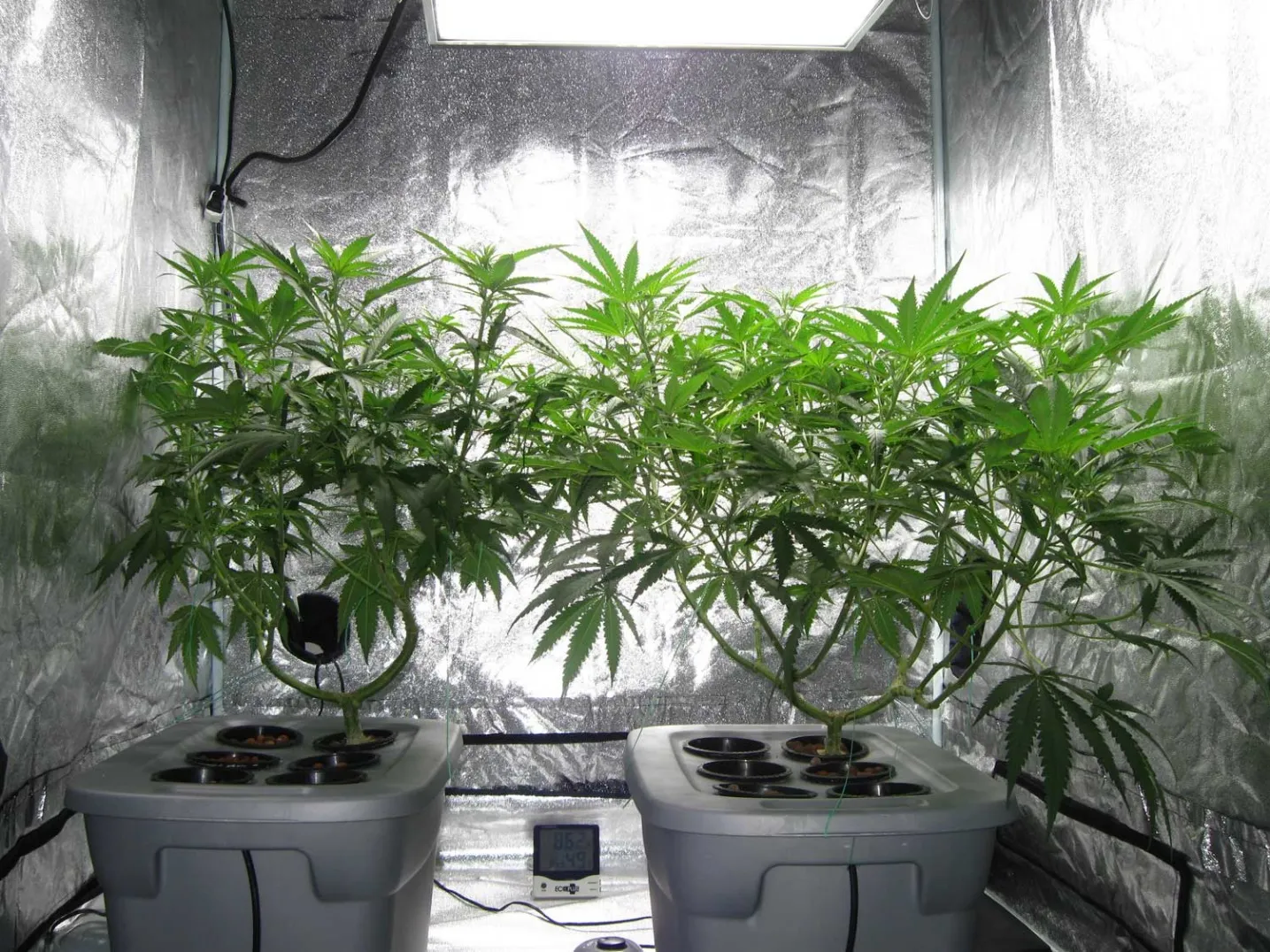
Hydroponic cultivation gives growers direct control over the solution surrounding plant roots. That control can support consistent growth, but it also means that mistakes in concentration, pH, water temperature, oxygenation, or sanitation may affect plants quickly. People searching for the best hydroponic nutrients cannabis growers can use should focus less on finding one perfect bottle and more on building a complete, measurable, and repeatable feeding plan.
Begin with the Water Source
Nutrient planning starts before fertilizer is added. Tap water may contain calcium, magnesium, alkalinity, chlorine, or other dissolved material. Filtered or reverse-osmosis water may contain very little. These differences affect the final solution and can explain why the same feeding chart behaves differently in two locations.
A water report or suitable meter can help identify the starting point. Record the initial pH and electrical conductivity, or a related dissolved-solids reading, before adding anything. This baseline shows whether the water already contributes minerals that should be considered. Use the same source consistently whenever possible because changing mineral content can alter pH and concentration.
Choose a Complete Base Program
A simple base formula designed for hydroponic use is usually easier to manage than several unrelated products. Some systems use one part, while others use two or three components. The label should explain mixing order, stage-specific guidance, recommended concentration, and whether extra calcium or magnesium may be needed.
When evaluating cannabis hydroponics nutrients, check whether the program provides the essential elements required during vegetative and flowering growth. Supplements should not compensate for an incomplete base product. A clear program makes troubleshooting easier because the grower knows exactly what has been added.
Understand Concentration Measurements
Electrical conductivity indicates the overall amount of dissolved material in the solution. It does not identify individual nutrients, but it helps show whether the reservoir is becoming stronger or weaker. A rising reading as the water level drops may suggest evaporation or uneven uptake, while an unusually high starting reading may indicate excessive concentration.
Young clones generally need a gentler approach than mature plants. Begin conservatively and follow the manufacturer’s guidance. A higher reading does not automatically produce faster growth and may damage roots or create imbalances.
Manage Root-Zone pH
Nutrients can be present in the reservoir but unavailable to the plant when the pH is unsuitable. This may create deficiency-like symptoms even when enough fertilizer has been added. Therefore, pH should be checked before more product is used in response to yellow leaves or slow growth.
Use a properly maintained meter and calibrate it according to the manufacturer’s instructions. Record readings consistently and avoid several large corrections without allowing the solution to stabilize.
Frequent pH movement can indicate a larger issue involving water quality, root activity, reservoir volume, or sanitation. Instead of correcting the number repeatedly, investigate why it continues to change.
Mix Components Safely
Concentrated nutrient parts should generally be added to water separately and in the recommended order. Pouring undiluted concentrates together can cause reactions that reduce availability. Use clean measuring tools and never estimate quantities by sight.
Mix thoroughly after each addition. Record the amount used, final reservoir volume, pH, and conductivity. These notes help reproduce a successful solution and identify what changed when plant response differs.
Maintain Temperature and Oxygen
Roots require oxygen as well as nutrients. A warm, poorly aerated solution can reduce root performance and encourage unwanted biological growth. Air stones, pumps, and circulation equipment should be checked regularly.
Reservoir temperature should remain stable within the range recommended for the system. Sudden changes can affect dissolved oxygen and nutrient uptake. Electrical connections must be protected from water.
Watch for changes in root appearance and smell. Darkening, slime, or an unpleasant odor may indicate a root-zone problem that adding more fertilizer will not solve.
Keep the System Clean
Reservoirs, tubing, trays, pumps, and air stones can collect residue or become blocked. Clean equipment according to the system’s requirements and inspect for leaks, unusual smells, discoloration, or root changes.
A dirty system can create symptoms that appear nutritional even when the formula is correct. Regular maintenance helps distinguish a feeding issue from a root-environment problem.
Adjust for Plant Stage and Environment
Plant demand changes with size and stage, but environmental conditions also matter. Heat, dry air, strong light, and high airflow can increase water use. A reservoir may become more concentrated as water is removed faster than nutrients.
Observe both the plant and the solution. Leaf posture, color, growth rate, root appearance, reservoir level, pH, and conductivity together provide a better picture than any single reading. Feeding charts should be treated as starting references rather than rigid instructions.
Introduce Supplements Carefully
Boosters, enzymes, beneficial microbes, and flowering enhancers may have a role in some systems, but every added product increases complexity. Beginners should first learn how plants respond to the base program.
Add only one optional product at a time and understand its purpose. If a problem appears, the grower should be able to identify what changed.
Build a Recordkeeping Routine
A simple log can include the date, plant stage, water source, reservoir volume, nutrient amounts, pH, conductivity, temperature, and visible plant condition.
Records help prevent repeated mistakes and show whether a correction improved the plant or merely changed the meter reading.
Respond to Problems Methodically
When leaves change color or growth slows, review the entire root-zone environment before adding more nutrients. Check water level, concentration, pH, temperature, oxygenation, roots, and equipment. Correct one major issue at a time and observe the response.
Replacing a poorly balanced solution may be safer than stacking several corrective products. Follow label instructions and avoid extreme changes that could shock the roots.
Final Thoughts
A reliable hydroponic feeding plan is based on complete nutrition, suitable water, careful measurement, clean equipment, stable oxygen levels, and consistent records. The most successful program is not necessarily the most complicated or expensive. It is the one the grower can understand, reproduce, and adjust gradually.
Start conservatively, monitor the root zone, and make changes only when the available evidence supports them. When water quality, pH, concentration, temperature, sanitation, and oxygen are managed together, the feeding program becomes a stable part of cultivation rather than a constant source of uncertainty.